


NATHAN GOLDSWORTHY
‘odin.imaging‘
Australia
‘Australia’s environment really shaped the way I see light, scale, and composition. The wide open spaces, dramatic coastlines, and that harsh golden sun taught me to look for contrast and atmosphere—things I still carry into shooting live shows.‘
What first drew you into photographing metal shows, and do you remember the first concert you ever shot?
About ten years ago, I finally invested in a new camera after having been interested in photography since high school but never really having the gear or time to pursue it. At first, I focused on landscapes—capturing the places my wife and I traveled to—and even took a few workshops to hone my style. But as my own harshest critic, I rarely felt my landscape shots were “finished” or good enough to share, even though I still love photographing nature. With so many variables in landscape photography, I often found myself chasing an elusive “perfect image.”
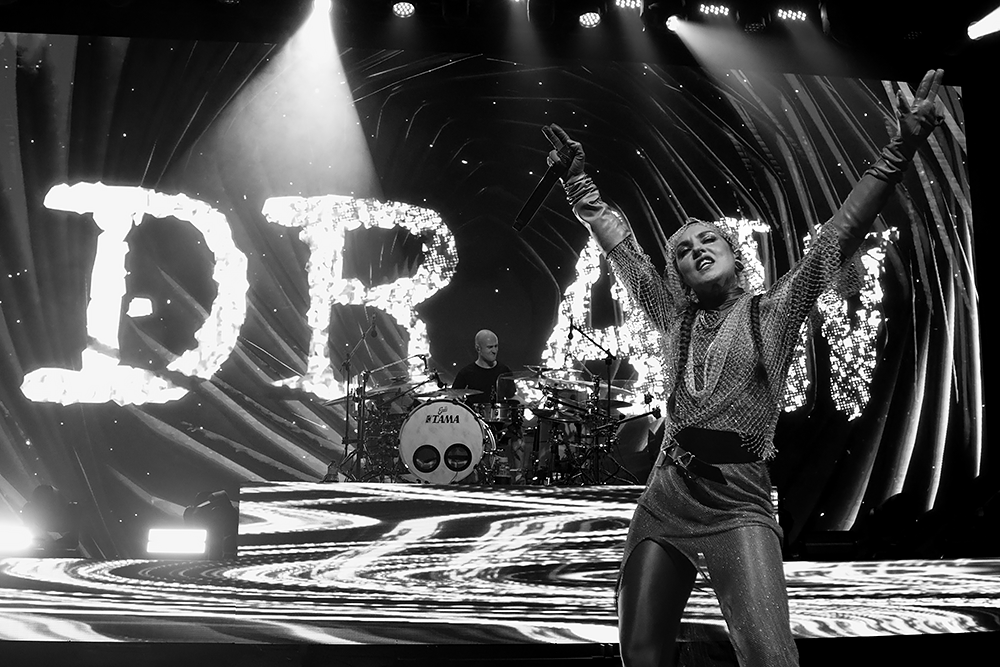
At the same time, I was always going to shows, and my wife surprised me by applying for a photo pass to a local Melbourne metal festival, Progfest, where Leprous were headlining. In the lead-up I was nervous, did all the research I could, and honestly—I was absolutely shitting myself. But the moment I stepped into that pit, I was hooked. I grew to love the pressure of creating something worthwhile no matter what the lighting or conditions were like.
From then on, I applied for every show I could to gain experience. These days I’m more selective, but I still shoot metal shows almost weekly. It’s become the perfect blend of my love for music and photography, and it keeps that creative fire burning.


Metal concerts can be chaotic, how do you find the balance between capturing the raw energy of the crowd and the atmosphere on stage?
I tend to shoot wide open with my shutter speed as high as the conditions allow, so I can freeze as much of the chaos as possible. The trade-off is that focus can be challenging, but over time I’ve learned to anticipate what’s about to happen and position myself in the right spot. That ability to read both the crowd and the band has really boosted how many authentic, high-energy moments I can capture. And honestly, I’ve found that the more I love the band, the more that connection comes through in the photos—it makes the whole shoot more successful.
Have there been any particularly wild or dangerous moments in the photo pit that stand out?
There’s hardly ever a dull moment in a metal photo pit. I’ve had my gear drenched in pig’s blood at a Watain show, found myself accidentally swept into the middle of the mosh pit trying to hold up crowdsurfers while protecting my camera, and even had a CO₂ cannon blast straight into my lens hood—right after being assured they wouldn’t go off until we were out of the pit.


Do you approach shooting a small club gig differently than a big festival?
Other than packing slightly different lenses—and a hat for those Australian summer festivals—I approach both the same way. Whether it’s a sweaty club gig or a massive festival stage, my mindset doesn’t really change: I’m aiming to capture the energy and essence of the performance.
What’s the Australian metal scene like from a photographer’s point of view? Has living in Australia posed any challenges when it comes to breaking into the global photography/music scene?
I originally moved from Perth to Melbourne after spending so much time traveling there to see touring bands—I just fell in love with the city. Perth is the most isolated major city in the world, and smaller to mid-sized tours often skip it because of the cost, so being in Melbourne opened up far more opportunities.
From a photographer’s perspective, the Melbourne metal scene is buzzing. There’s no shortage of shows and plenty of talented photographers in the pit, so it often feels like a social gathering as much as it does work. The flip side is that sometimes the pit can get overcrowded—but that’s all part of the fun.
Breaking into the global scene from Australia is definitely tough. Opportunities to work directly with bands or go on tour here are far more limited compared to other countries, and only a handful of photographers consistently get that chance. It makes the market competitive, but it also pushes you to refine your craft and carve out your own space. Running a local online music site with a mate has been my gateway into shows, and it’s even opened doors to cover a few international gigs and festivals—something I never imagined when I first picked up a camera.

How would you describe your editing style, and how did it evolve over time?
I’d describe my editing style as clean and warm. I put a lot of focus on getting skin tones just right and making sure there are no distractions pulling away from the subject. Those are two areas I’ve really worked hard to refine over the years. Learning more advanced techniques in Photoshop has also helped me evolve, giving me more control over subtle details while keeping the overall image natural and true to the moment.


Does the environment in Australia — from its landscapes to its culture — influence how you see and shoot your work?
Absolutely. I actually started out in landscape photography, and Australia’s environment really shaped the way I see light, scale, and composition. The wide open spaces, dramatic coastlines, and that harsh golden sun taught me to look for contrast and atmosphere—things I still carry into shooting live shows.
On the cultural side, Melbourne’s metal scene has been just as influential. It’s such a vibrant and tight-knit community that every gig feels like more than just a performance—it’s an experience. That sense of energy and connection pushes me to capture not only what’s happening on stage but also the atmosphere in the crowd. In a way, Australia’s extremes—whether it’s the landscapes or the music scene—have taught me to adapt, to embrace the chaos, and to translate that into my images.
How does your approach differ when you’re editing portraits or nature versus live music?
I approach each of those very differently. With nature, I try to keep my edits as true to the conditions as possible—almost editorial in style—without making drastic changes. It sounds simple, but capturing the feeling of what I saw in the moment can actually be the hardest.
Live music, on the other hand, is much more instinctive and process-driven. There’s usually a tight turnaround, so I aim to deliver within 12 hours, which forces me to trust my instincts and streamline my workflow.
Portraits are where I feel the most pressure. They’re so personal and intimate that I sometimes catch myself dealing with imposter syndrome. But I also see that challenge as a way to grow—because when a portrait clicks, it’s the most rewarding.


What’s the biggest lesson concert photography has taught you about patience, timing, or creativity?
The biggest lesson concert photography has taught me is that you can have a hundred people in the photo pit, and not one of them will capture the same image. Everyone brings their own perspective, and that creativity is what makes it exciting. I’ve learned that it’s less about comparing myself to others and more about showing how I see a concert—finding those moments that feel true to me.
Looking back, what’s an image you’re most proud of, and what does it mean to you?
One image I’m especially proud of is from Sigh’s first Australian tour—a small club show in Melbourne where Dr. Mikannibal was reading from a burning bible. It was such an intense, fleeting moment, and I knew I had it as soon as I hit the shutter.
A little behind the scenes on that shot: it’s actually a blend of two frames—one where the flames on the bible looked perfect, and another where her expression and presence were strongest. Combining them gave me an image that not only captured the chaos of that moment but also felt true to how it unfolded in the room. It’s one of those rare times where everything came together exactly how I envisioned it.

See more of Nathan Goldsworthy’s work:
https://www.odinimaging.com
/www.instagram.com/odin.imaging
Author: Kimberly Baarda (baardafoto)